

If you’ve been experiencing symptoms such as heavy menstrual bleeding, pain, or discomfort due to uterine fibroids, you may have been advised to consider having a hysterectomy to resolve these issues. While hysterectomy is a common and effective uterine fibroid treatment, it’s important to know there are other conservative options available that may be worth considering before scheduling a hysterectomy. When you need uterine fibroid treatment options, the care team at Vascular & Interventional Specialists in the Sioux Falls area is here to support you. Contact us to learn more about the best treatments for fibroids.
Non-Surgical Uterine Fibroid Embolization
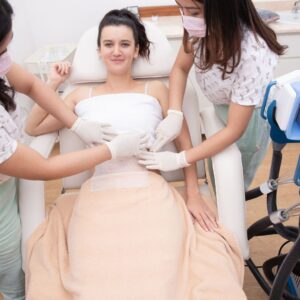
Uterine Fibroid Embolization (UFE) is a minimally-invasive procedure that can shrink or eliminate fibroids by cutting off their blood supply. UFE has a success rate of about 85%, so your medical team may recommend this treatment to you. This outpatient procedure is performed by our experienced surgeons at Vascular & Interventional Specialists, and it does not require general anesthesia. UFE can be an extremely effective alternative for uterine fibroid treatment for many women, especially those interested in preserving fertility.

Myomectomy
Another surgical alternative to a hysterectomy is myomectomy. This procedure involves the surgical removal of fibroids while leaving the uterus intact. Myomectomy can be a good choice for women who still want to have children and for those who wish to avoid the risks and longer recovery time associated with a hysterectomy.

Medication
There are medications available for uterine fibroid treatments. These include nonsteroidal anti-inflammatory drugs, such as ibuprofen, and hormonal medications like birth control pills or hormone-releasing IUDs. Hormonal medications aim to slow the growth of fibroids already in the uterus. While medication cannot shrink fibroids, it can help manage symptoms for some women.

Monitor Symptoms
While this is not an active treatment option, simply monitoring the fibroids and symptoms can be a good option for some women. Fibroids may stop growing or shrink on their own after menopause, so if a woman is close to or at menopause, specialists may recommend waiting to see how the fibroids progress before deciding on a course of treatment.
If you’re considering a hysterectomy for uterine fibroids, it’s important to be informed and consider all of your options. At Vascular & Interventional Specialists, our team can help you understand innovative treatment options for uterine fibroids, and help you choose the best course of treatment. We understand that each woman is unique, and the uterine fibroid treatment options that we provide are specific to the individual. By exploring state-of-the-art uterine fibroid treatments that our practice offers, you may be able to avoid a more invasive procedure and achieve relief from your symptoms without undergoing a hysterectomy. Don’t hesitate to get the guidance you need to make an informed decision about your health, please reach out to Vascular & Interventional Specialists today.