
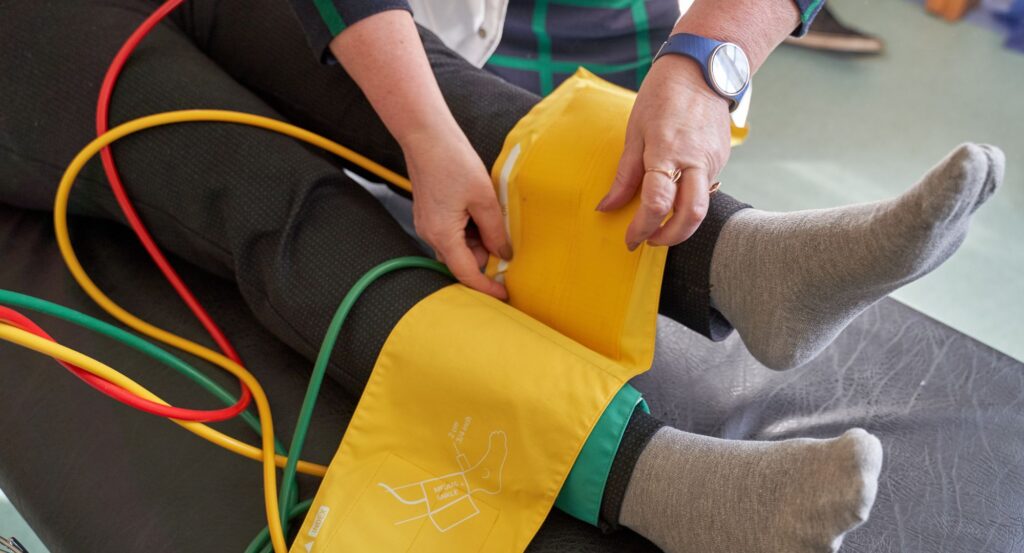
Peripheral Arterial Disease (PAD) is a circulatory condition that affects the flow of blood from the heart to the vessels outside of your heart to the rest of your body. PAD occurs when there is a buildup of plaque in your arteries, which can cause narrowing and reduced blood flow to your extremities. Since PAD can cause pain and discomfort, it’s important to be aware of the symptoms so you can get prompt diagnosis and treatment if needed.
At Vascular & Interventional Specialists, our team of vascular doctors is equipped to help screen, diagnose, and treat a wide variety of vascular and vein conditions — including Peripheral Arterial Disease. Our team is here to support you in any way we can, whether it be managing symptoms or finding the best solutions for you. For more information on how our vascular specialists can provide PAD treatments, contact us today! In today’s blog, we’ll explore the possible symptoms that may indicate PAD. Read on to learn more.
Pain or Discomfort in the Legs
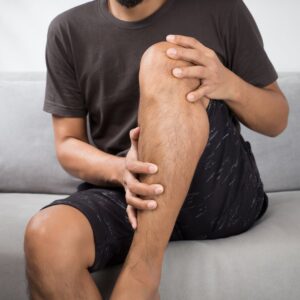
One of the most well known symptoms of Peripheral Arterial Disease is pain, cramping, or discomfort in your legs, however, up to 4 in 10 people with PAD don’t experience this symptom. This is called claudication and is typically described as aching, burning, or cramping pain in your calves, thighs, buttocks, or feet when moving. The pain you feel usually subsides after rest and can be brought on by walking short distances, climbing stairs or hills, or participating in other forms of physical activity. Pain caused by PAD is typically described as a tight or heavy feeling. Experiencing pain or discomfort in the legs? Don’t hesitate to schedule an appointment with our vascular specialists!
Changes in Skin or Nails
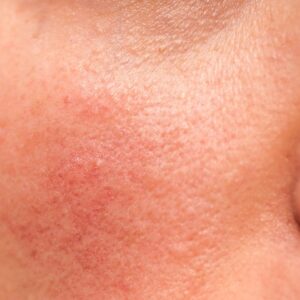
Skin and nail changes can also be an indication of Peripheral Arterial Disease. You may notice your skin feels cooler than usual to the touch or that it appears to be discolored, with a bluish or reddish tint. You may also notice that your leg hair has thinned or even disappeared, and that the texture or appearance of your toenails is changed.

Slow-Healing Sores or Wounds
Peripheral Arterial Disease can also affect your body’s ability to heal correctly, meaning any wounds or sores you have may take longer than usual to heal. Sores or wounds that are slow to heal, especially on the feet, need to be examined to rule out PAD, and because they are at risk becoming infected.

Weakness or Fatigue in the Legs
A common symptom of Peripheral Arterial Disease is weakness or fatigue in the legs. You may find that your legs feel weak or heavy, even when you’re not performing physical activity. This may be due to the lack of blood flow to your legs that PAD can cause.
PAD Diagnosis and Treatments
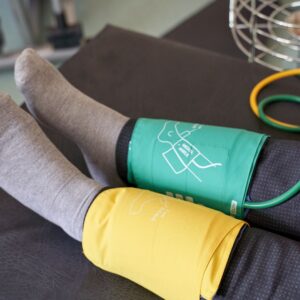
If you are experiencing these symptoms, it’s important to seek medical attention. A vascular specialist will perform a physical exam and may conduct further tests, such as a Doppler ultrasound or an ankle-brachial index test to diagnose Peripheral Arterial Disease. These tests aim to measure the blood flow in various parts of your legs and may indicate the presence of plaque buildup.
Peripheral Arterial Disease treatments are designed to manage symptoms, prevent complications, and reduce the risk of progression. In many cases, lifestyle changes such as quitting smoking, following a nutritious, healthy diet, and engaging in regular exercise can be effective in managing symptoms and slowing the progression of PAD. Medications, such as blood thinners, antiplatelet drugs, or cholesterol-lowering drugs, may be prescribed to also help manage symptoms. However, beyond pharmacological management, surgical treatments may also be recommended to more immediately improve blockages and circulation.
Recognizing the symptoms of Peripheral Arterial Disease is the first step to getting an accurate diagnosis and prompt treatment. While pain is one of the most common symptoms of PAD, there are other signs to watch for, such as changes in skin or nails, slow-healing wounds, or weakness in the legs. If you are experiencing any of these PAD symptoms, make an appointment with the vascular specialists at Vascular & Interventional Specialists to discuss diagnosis and treatment options. With proper care, PAD won’t get in your way of living a full, active life.