
Peripheral arterial disease (PAD) is a common health condition that targets the blood vessels outside of the heart and brain, which can actually cause discomfort or pain in the legs. It typically occurs when the arteries that are supposed to supply blood to the limbs (arms and legs) become too narrow or are even blocked, which reduces blood flow to the muscles and tissues. In the most severe cases, PAD can cause cramping, numbness, and even tissue death.
But the key to living with this condition is understanding the signs and symptoms of PAD, and both are crucial for early detection and treatment. Vascular & Interventional Specialists in the Nebraska, Iowa, and South Dakota areas can not only help patients learn more about peripheral arterial disease and how it develops but also how it can affect their daily life. Learn more about the introductory phases of this disease and get in touch with us to learn more about different surgical peripheral arterial disease treatments!
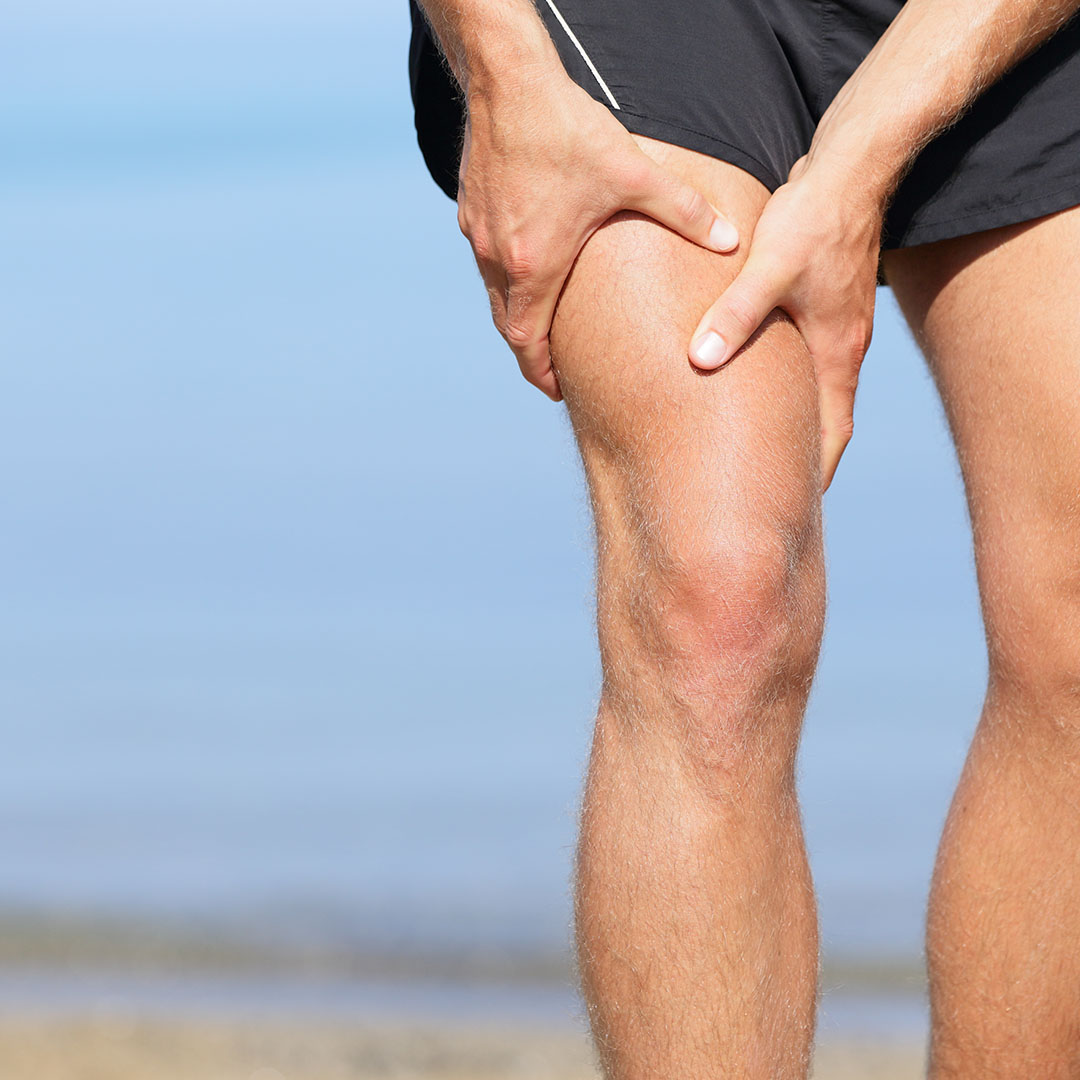
Claudication: The First Symptom of Peripheral Arterial Disease
Claudication is a common first symptom of peripheral arterial disease that occurs when there is a lack of blood flow to the muscles in the legs during exercise or other physical activity. This typically results in pain, cramping, or weakness in the affected muscles and is often described as a tightening, burning, or aching sensation.
In many cases, the pain disappears or eases up when the activity is stopped or when the muscles are resting. However, even if the pain does subside during rest, it’s important to take peripheral vascular symptoms seriously.
What Causes Claudication?
Claudication is caused by a decrease in blood flow to the muscles in the legs, which is due to blocked or narrowed arteries. This is often the result of a buildup of plaque or fatty deposits on the walls of the arteries, which makes it difficult for blood to flow through them. This lack of blood flow leads to a lack of oxygen and nutrients to the muscles, which in turn, causes the pain and discomfort of claudication.


Why Claudication is a PAD Warning Sign
If you start to notice this type of discomfort in your legs, it’s important to speak to Vascular & Interventional Specialists about peripheral arterial disease treatments. Claudication is a warning sign for this disease simply because it is often the first symptom that patients experience. When patients experience this tightening, burning, or aching, it is an indication that their muscles are not receiving enough blood, which means that they are at risk for further complications if the underlying PAD is not addressed.
Other Symptoms to Be Aware Of:
- Coldness or discoloration (i.e. shiny skin) in the feet or legs
- Slow-healing sores or ulcers on the legs or feet
- Consistent foot pain
How You Can Identify PAD Symptoms
The best way to identify peripheral arterial disease is to pay attention to your body and report any unusual or persistent symptoms to your healthcare provider or our in-house treatment personnel. If you experience tell-tale leg pain or discomfort while walking, try to push through it and keep track of how far you can walk before feeling the pain. This information can help diagnose PAD and determine the severity of the condition.
Keep a detailed log of when you feel the pain and cramping of claudication and contact Vascular & Interventional Specialists to learn more about how our surgical producers can help!