
Peripheral Arterial Disease (PAD) is a condition that affects blood flow to the limbs, often leading to pain, cramping, and reduced mobility. While PAD requires comprehensive medical management, adopting a heart-healthy diet can play a pivotal role in supporting your vascular health.
Certain foods are particularly beneficial for individuals with PAD, as they can enhance blood circulation, reduce inflammation, and promote overall cardiovascular well-being. In this blog post, our vascular specialists will explore a range of nutrient-rich foods that can aid in managing PAD and improving your quality of life. Learn more about how to adjust your diet to support vascular health, and if you’re in need of a vascular doctor, contact Vascular & Interventional Specialists today.
Fatty Fish
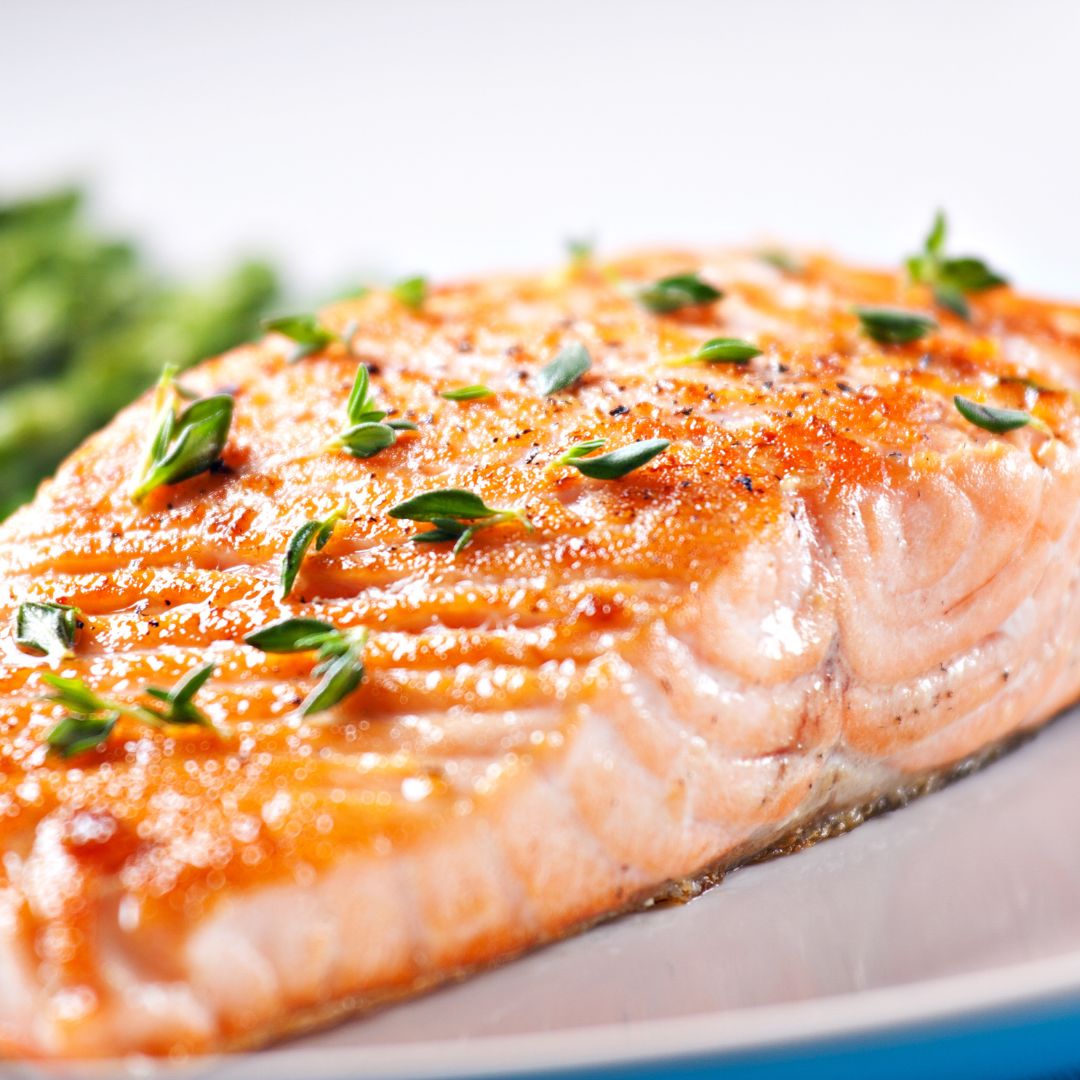
Fatty fish such as salmon, mackerel, trout, and sardines are rich sources of omega-3 fatty acids. These healthy fats have been shown to lower inflammation, reduce blood clot formation, and improve arterial function. Omega-3s also contribute to flexible blood vessels and may help alleviate symptoms of PAD. Aim for at least two servings of fatty fish per week to reap their cardiovascular benefits.
Berries
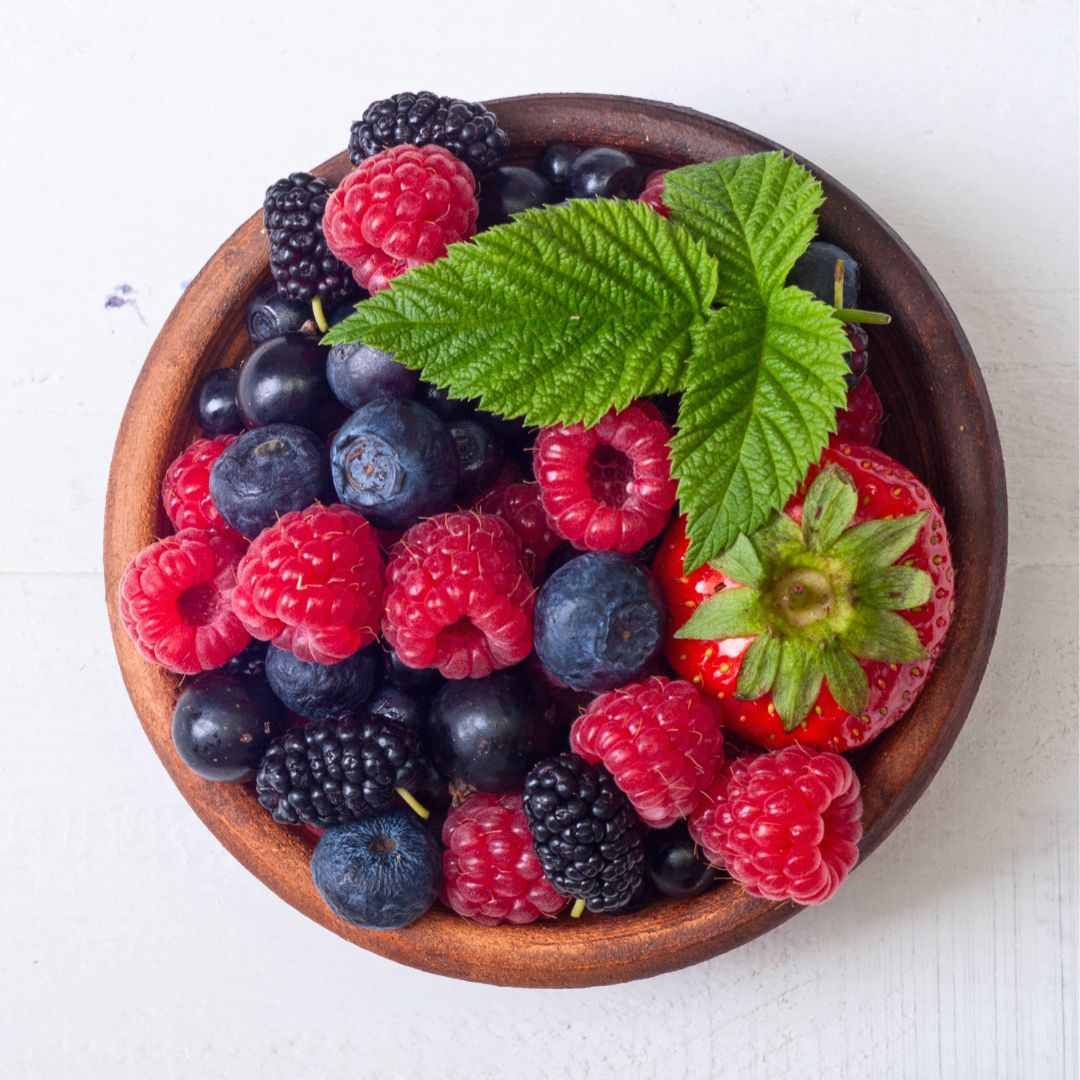
Berries, including blueberries, strawberries, and raspberries, are packed with antioxidants called flavonoids. Flavonoids have been linked to improved blood vessel function and reduced inflammation. The vibrant colors of these fruits indicate their high antioxidant content, which can help protect your arteries from damage.
Leafy Greens
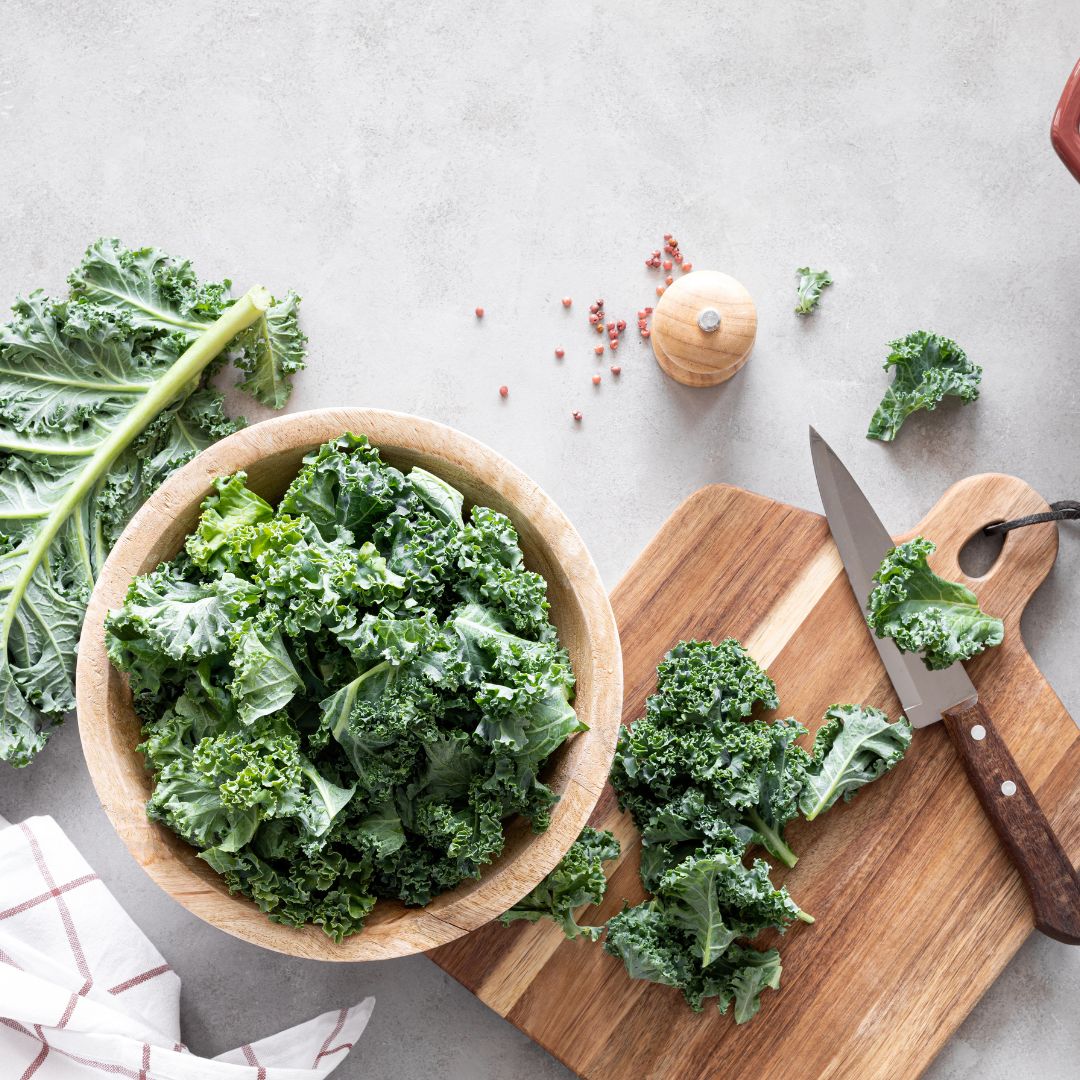
Dark leafy greens like spinach, kale, and Swiss chard are rich in vitamins, minerals, and fiber. They contain nitrates, compounds that promote blood vessel dilation and enhance blood flow. Incorporating these greens into your meals can contribute to improved arterial health and aid in managing PAD symptoms.
Nuts and Seeds
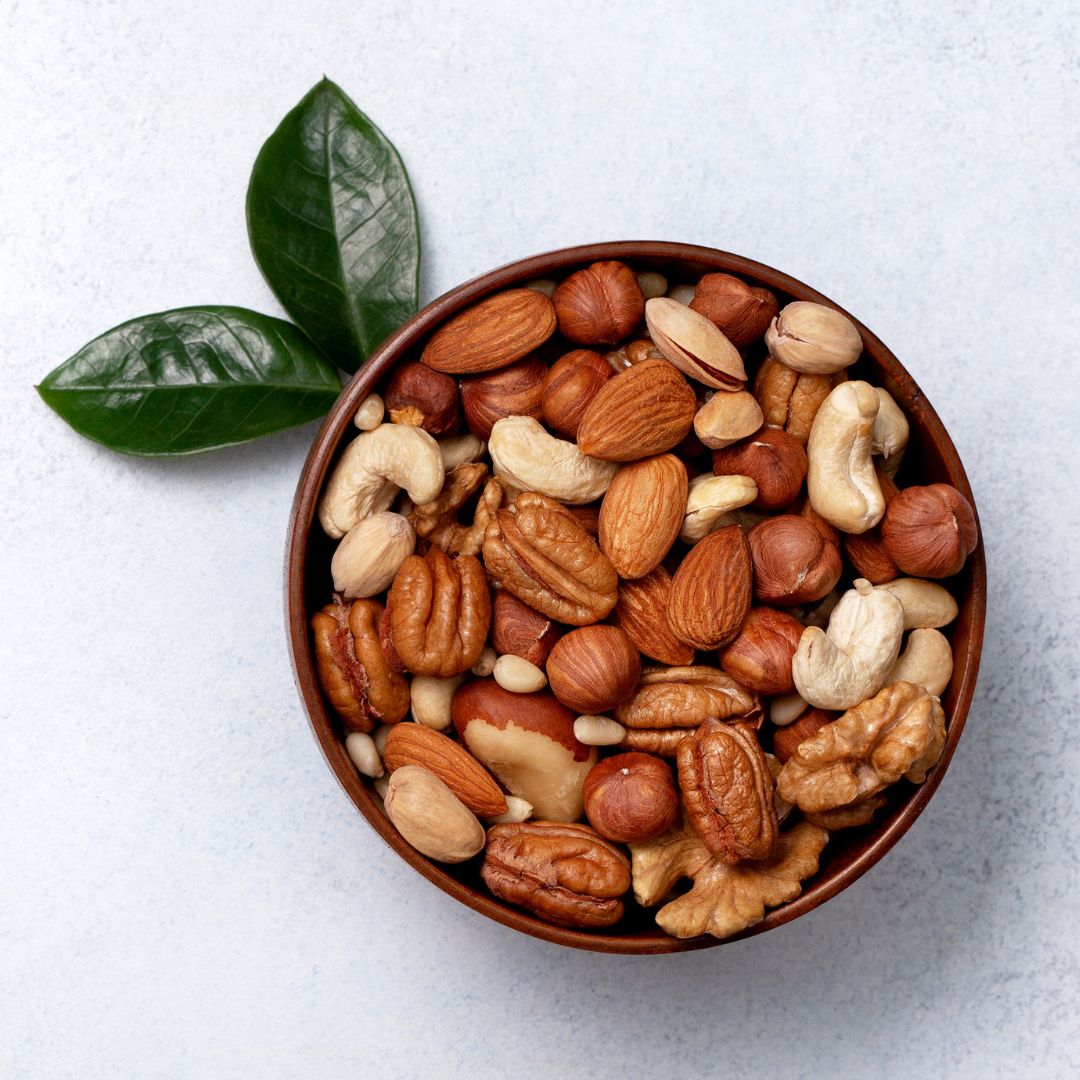
Almonds, walnuts, flaxseeds, and chia seeds are excellent sources of healthy fats, fiber, and plant-based proteins. These foods can help lower bad cholesterol levels, reduce inflammation, and support overall heart health. A handful of nuts or seeds as a snack or added to your meals can be a heart-smart choice.
Whole Grains
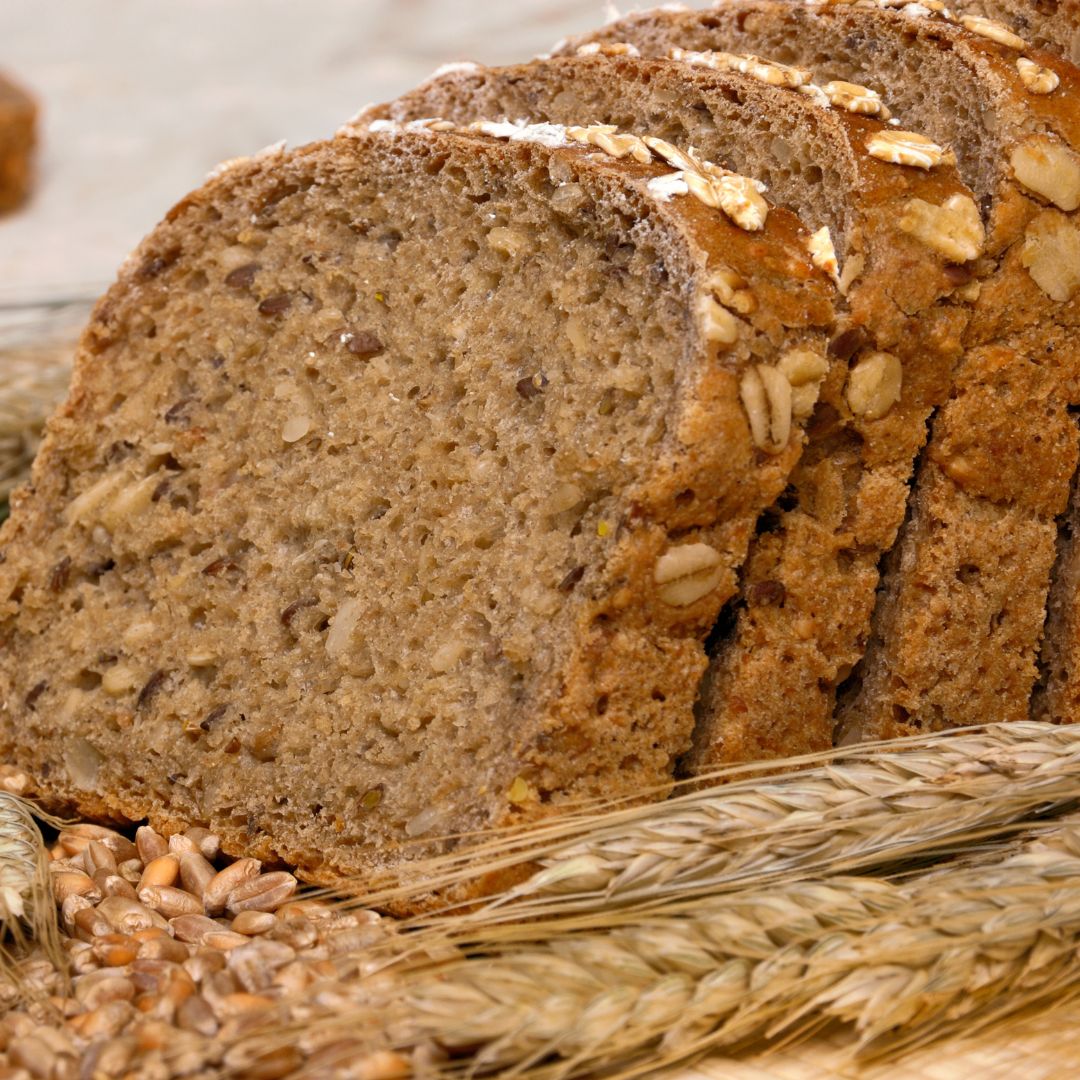
Whole grains like oats, quinoa, brown rice, and whole wheat contain fiber, which helps regulate blood sugar levels and lower cholesterol. They also provide essential nutrients that contribute to maintaining healthy blood vessels. Choosing whole grains over refined grains can have a positive impact on your arterial health.
Citrus Fruits
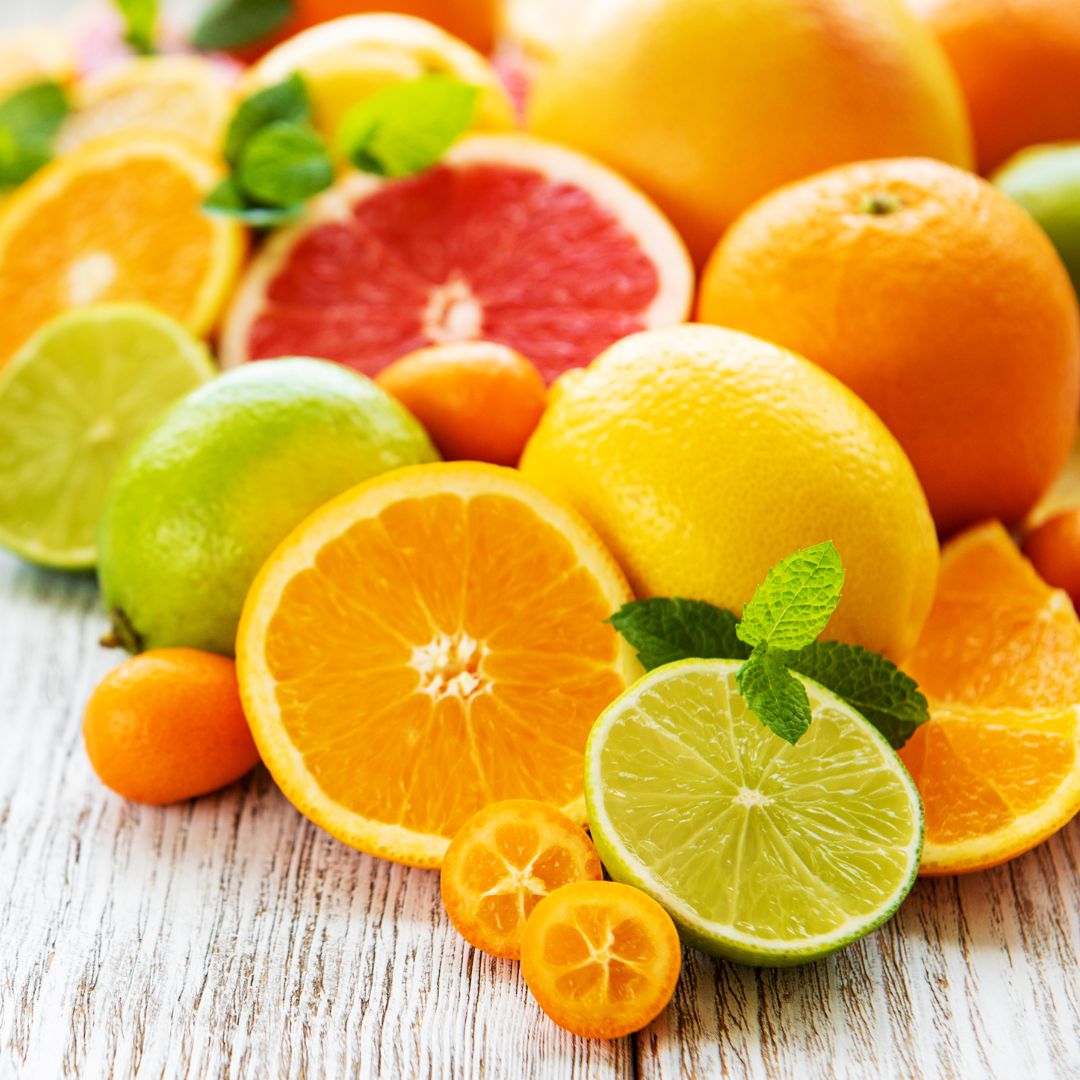
Citrus fruits such as oranges, grapefruits, and lemons are rich in vitamin C and antioxidants. Vitamin C supports collagen production, a protein crucial for maintaining the integrity of blood vessels. Antioxidants help protect arteries from oxidative stress and inflammation.
Turmeric
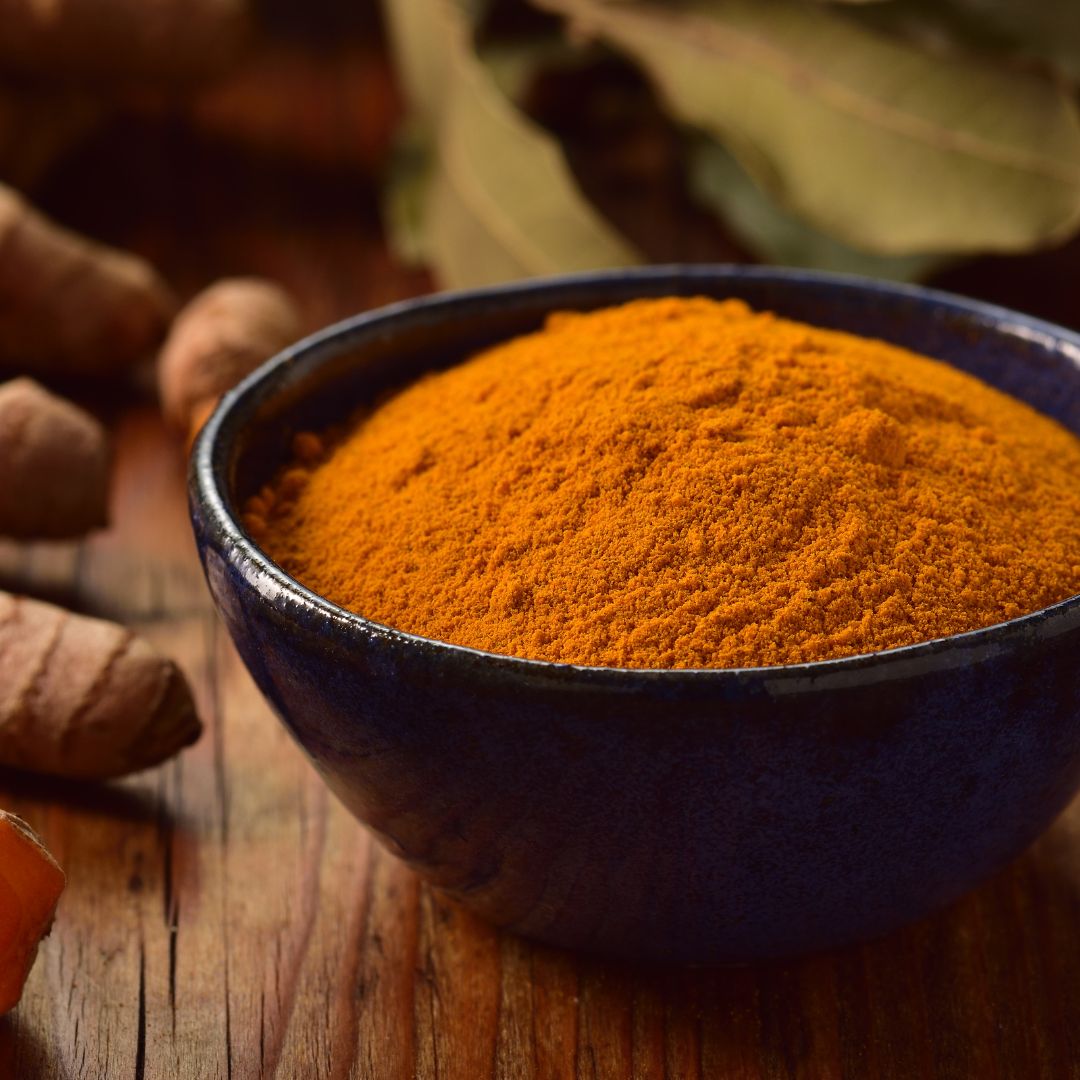
Turmeric is a spice known for its anti-inflammatory properties, thanks to its active compound curcumin. Curcumin has been shown to improve endothelial function, which is essential for healthy blood vessels. Consider incorporating turmeric into your cooking or enjoying turmeric tea for an added health boost.
Garlic
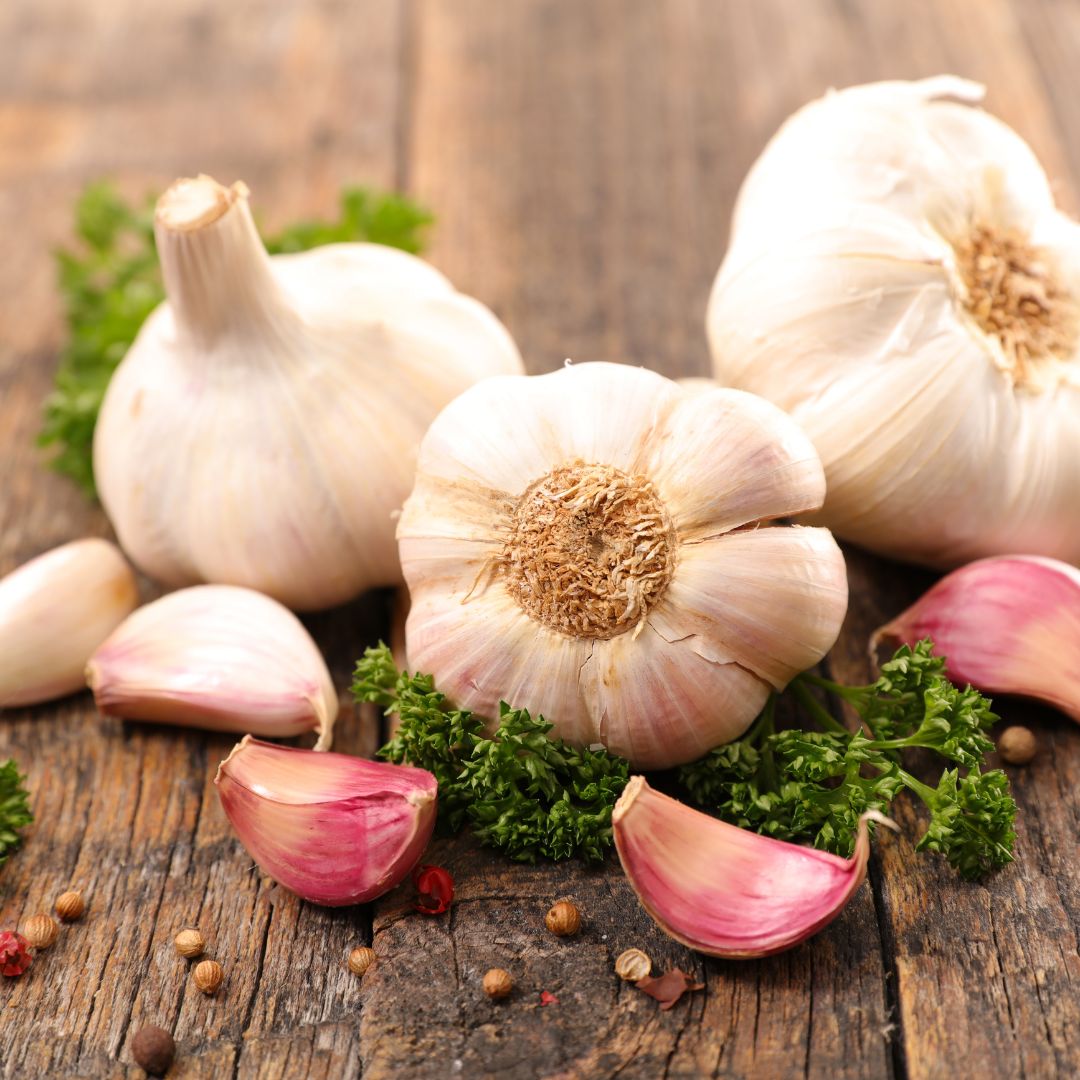
Garlic contains allicin, a compound that has been associated with improved blood circulation and lower blood pressure. It also has anti-inflammatory effects that can benefit individuals with PAD. Adding garlic to your dishes not only enhances flavor but also supports your vascular health.
Avocado
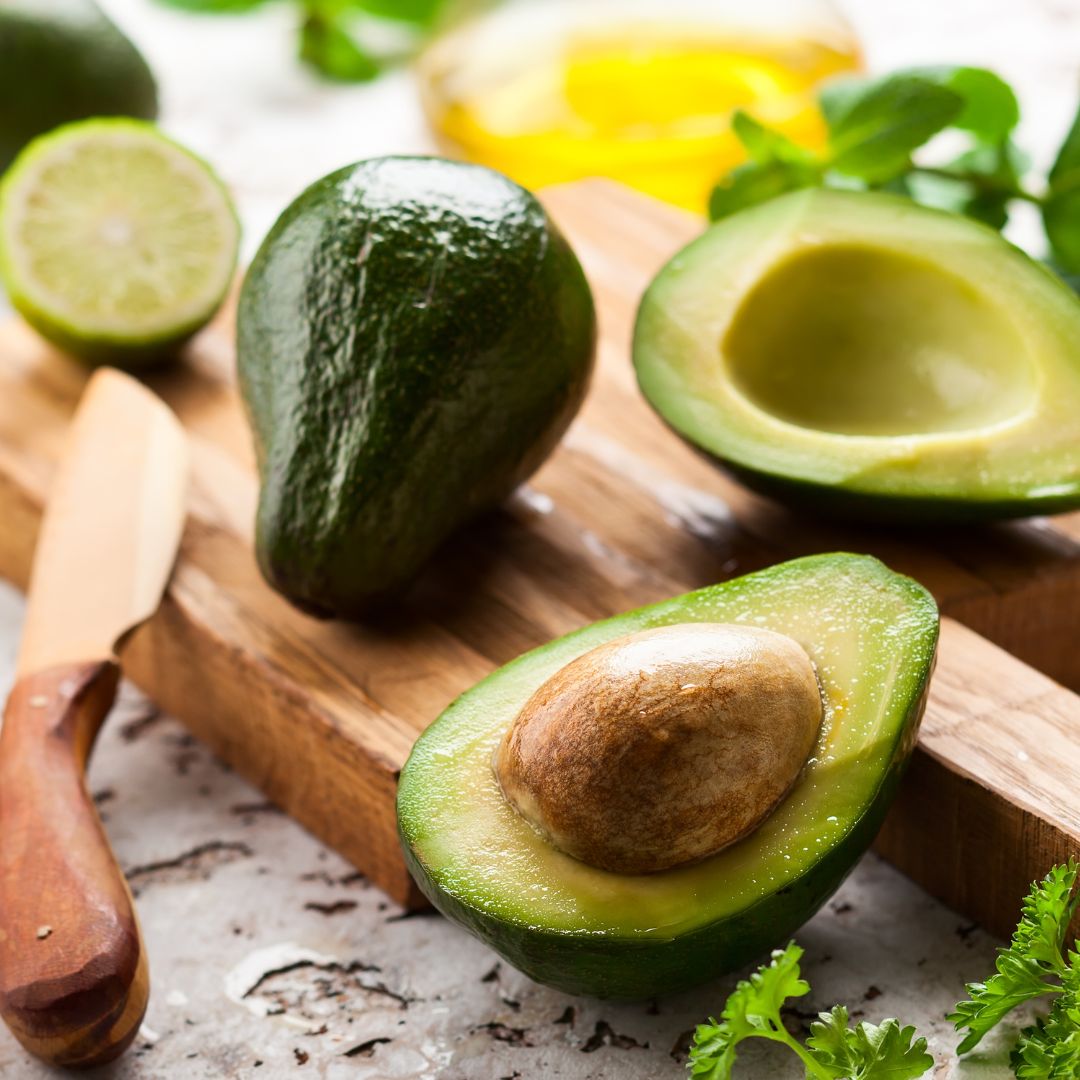
Avocado is a nutrient-dense fruit that provides heart-healthy monounsaturated fats, which can help lower bad cholesterol levels. It also contains potassium, which supports blood pressure regulation. Including avocados in your diet can contribute to better arterial health.
Dark Chocolate
Dark chocolate with a high cocoa content (70% or more) is a source of flavonoids that may improve blood vessel function and reduce inflammation. Enjoying moderate amounts of dark chocolate as an occasional treat can be a satisfying way to support your cardiovascular health.