
Peripheral arterial disease (PAD) is often caused by the buildup of plaque or fatty deposits on the walls of the arteries, which can cause cramping, pain, and other discomfort in the legs (called claudication). PAD is commonly associated with symptoms in the lower extremities. One of the most common symptom of PAD is, leg tingling.
Many people experience tingling or numbness in their legs from time to time, which can be caused by a variety of factors: sitting or standing in one position for extended periods, poor circulation, and even nerve damage. However, if you are experiencing frequent leg tingling, it may be a sign of underlying PAD. Vascular & Interventional Specialists can help you not only differentiate between your symptoms and determine if you need peripheral arterial disease treatments but also provide specialized options so you can live a healthy life.
Learn more about if what you’re feeling requires PAD treatment, and contact us to set up an appointment or to ask questions!
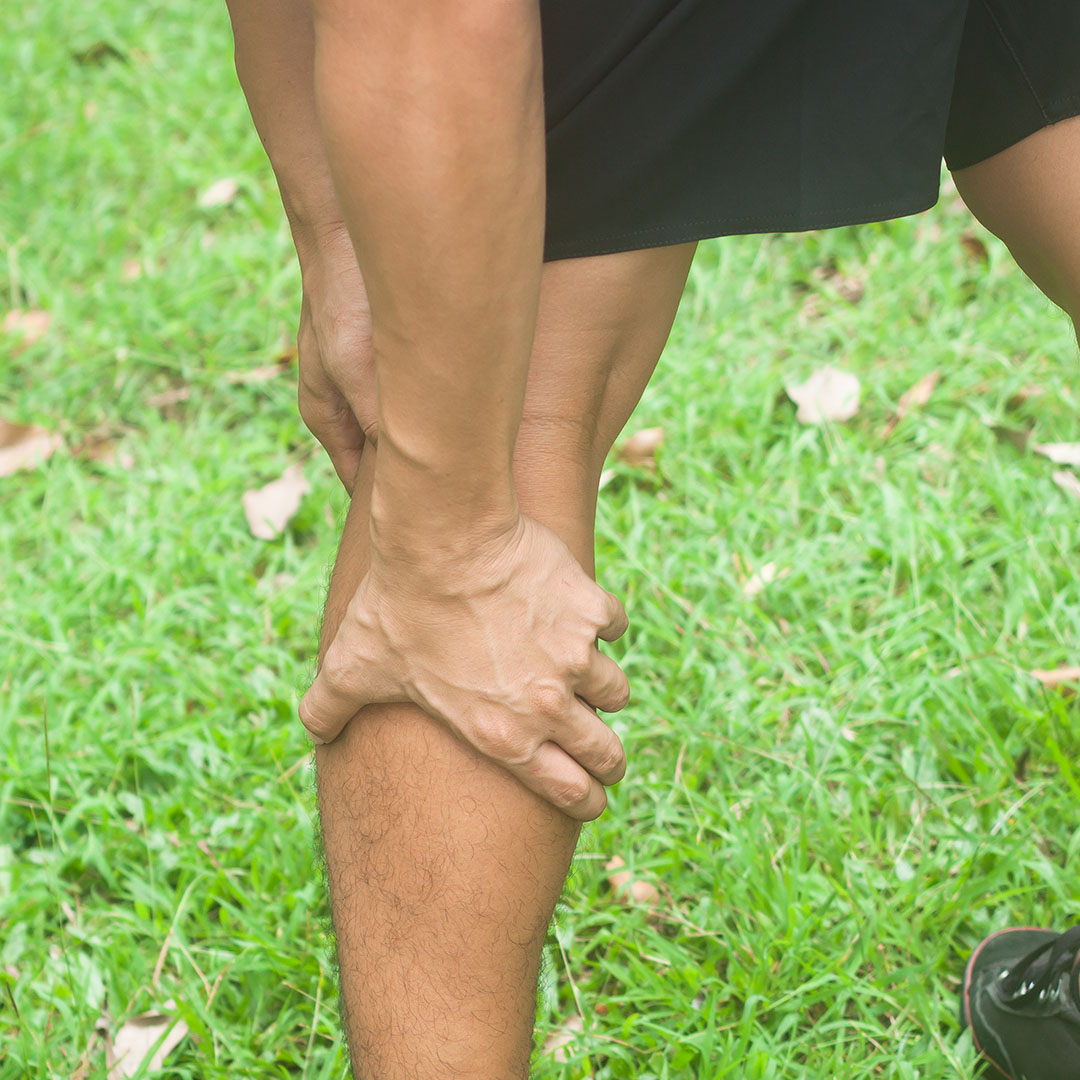
Is Your Leg Tingling a Sign of Peripheral Arterial Disease?
In addition to tingling sensations in the leg, PAD can also present numbness or weakness. The tingling may feel like pins and needles or a crawling sensation in the skin and may occur in the feet, legs, or toes. It may also be accompanied by other symptoms such as cramping, weakness, or even a burning sensation commonly caused by claudication.
It is important to note that leg tingling alone may not indicate the need for PAD treatment, and there may be other underlying conditions that can cause the tingling sensation. However, if you experience any of the following, it may be a warning sign of peripheral arterial disease:
- Pain, cramping, or fatigue in the legs or hips during exercise (but is relieved when at rest)
- Leg or foot injuries that heal slowly or not at all
- Coldness in the lower leg or foot compared to the other leg
- Discoloration or shiny skin on the legs
Why is Leg Tingling a Symptom of PAD?
PAD is often caused by atherosclerosis (thickening or hardening of the arteries), which is the name for plaque that is caked onto the walls of the arteries and leads to reduced blood flow to the legs. The tingling sensation in the legs may be due to said restricted blood flow, which can potentially cause nerve damage and other complications.
As the disease progresses, PAD may cause a lack of oxygen and beneficial nutrients to flow to the legs, which can lead to tissue damage. While this may not seem like a significant symptom, delaying treatment can lead to severe complications, and early diagnosis and treatment are crucial. Get in touch with Vascular & Interventional Specialists now to address any tingling you may feel!


What Can You Do to Prevent PAD?
There are several lifestyle changes you can make to prevent or manage PAD should you experience any tingling or pain, including:
- Quit smoking: Smoking is a significant contributor to peripheral arterial disease and can exacerbate this condition. If you smoke, quitting can improve your circulation and overall health.
- Exercise: Regular exercise can help improve circulation. Walking or other low-impact exercises can also help manage claudication symptoms; aim for 30 minutes of activity five days a week.
- Eat a healthy diet: A diet rich in fruits, vegetables, whole grains, and lean protein can help lower cholesterol and blood pressure, both of which are risk factors for PAD.